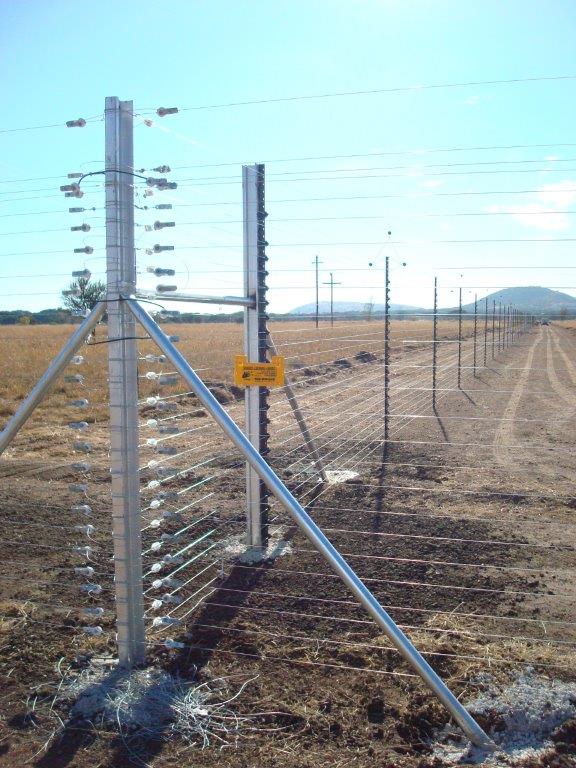
The Benefits of Compliance with Electric Fence Regulations
Electric fences are a popular security measure, offering a reliable deterrent against trespassers. However, with the power of electricity comes the need for strict regulations to ensure safety. Compliance with key regulations, such as the Occupational Health and Safety Act (OHSA) and SANS 10222-3, is essential for anyone involved in the installation, maintenance, or ownership of electric fences.
This article explores the benefits of adhering to these regulations, not just for legal protection but also for safety, effectiveness, and long-term peace of mind.
1. Ensuring Safety
One of the primary reasons for regulatory compliance is ensuring the safety of all individuals who might come into contact with the electric fence, whether they are workers, property owners, or the general public. SANS 10222-3 specifically outlines installation guidelines to prevent accidental harm, such as proper fence height, adequate warning signs, and regulated power limits.
By following these safety standards, the risk of injuries due to accidental contact or electrical malfunction is minimized. This creates a safer environment around the fence, particularly in residential or high-traffic areas, where there might be greater exposure to the system.
2. Improved System Reliability
Compliance with regulations like SANS 10222-3 helps ensure that electric fences are installed and maintained according to industry best practices. This leads to greater reliability and effectiveness of the system, reducing the likelihood of malfunctions.
A well-installed and maintained electric fence works more efficiently to detect and deter intruders. Proper grounding, use of the correct materials, and adherence to design specifications all contribute to the system’s longevity and reliability, ensuring your property remains protected at all times.
3. Legal Protection and Avoiding Penalties
Non-compliance with regulations can have serious legal repercussions for property owners and installers. OHSA and SANS 10222-3 impose strict requirements for safe installation and operation, and failure to adhere to these laws can lead to fines, lawsuits, or even the removal of the electric fence system.
By ensuring compliance, property owners and installers are protected from the risk of legal action that could arise from an injury or accident involving the fence. Moreover, regulatory compliance serves as a safeguard against claims of negligence in the event of an incident.
4. Minimizing Liability for Harm
In addition to the legal risks, property owners can also be held financially responsible for injuries or damages caused by an improperly installed electric fence. This liability extends not only to workers but also to neighbors, passersby, or animals that may come into contact with the fence. Adhering to safety standards reduces the likelihood of such incidents occurring and protects property owners from potential compensation claims or medical expenses.
5. Enhanced Reputation and Professionalism
For contractors and installers, complying with electric fence regulations enhances their reputation and credibility. By following best practices, they demonstrate professionalism and a commitment to safety, which builds trust with clients. Property owners are more likely to hire contractors who have a proven track record of adhering to industry standards and safety regulations, knowing that their systems will be both effective and legally compliant.
For property owners, compliance signals that they value safety and responsibility, further boosting their credibility within the community and among stakeholders.
Conclusion
Compliance with electric fence regulations, particularly the Occupational Health and Safety Act (OHSA) and SANS 10222-3, is not just a legal requirement but a critical aspect of ensuring safety, reliability, and long-term protection. By adhering to these guidelines, property owners and installers can avoid costly penalties, reduce the risk of harm, and ensure that their electric fence systems function effectively. Ultimately, compliance creates a safer environment, delivers better security outcomes, and offers peace of mind for everyone involved.